


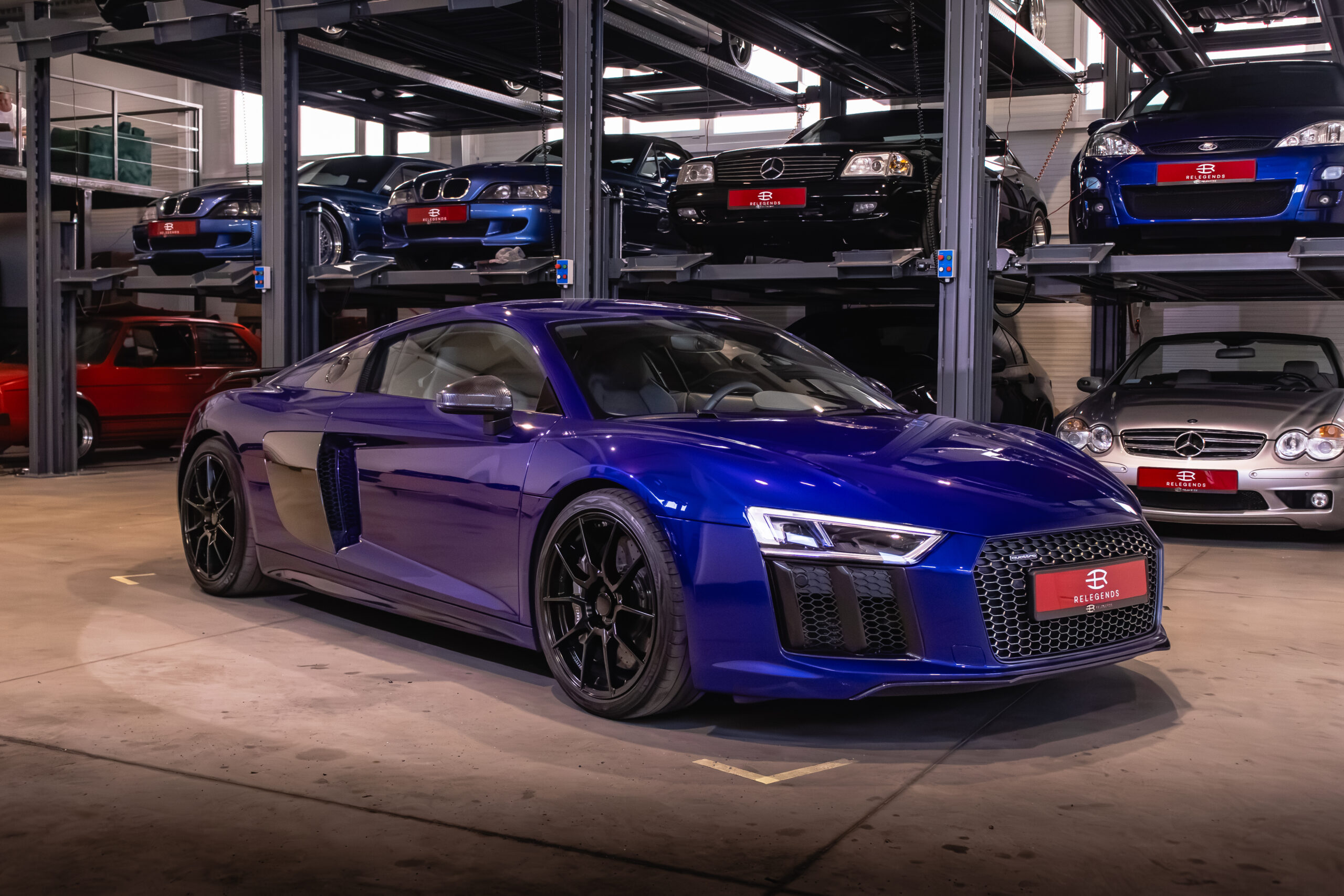
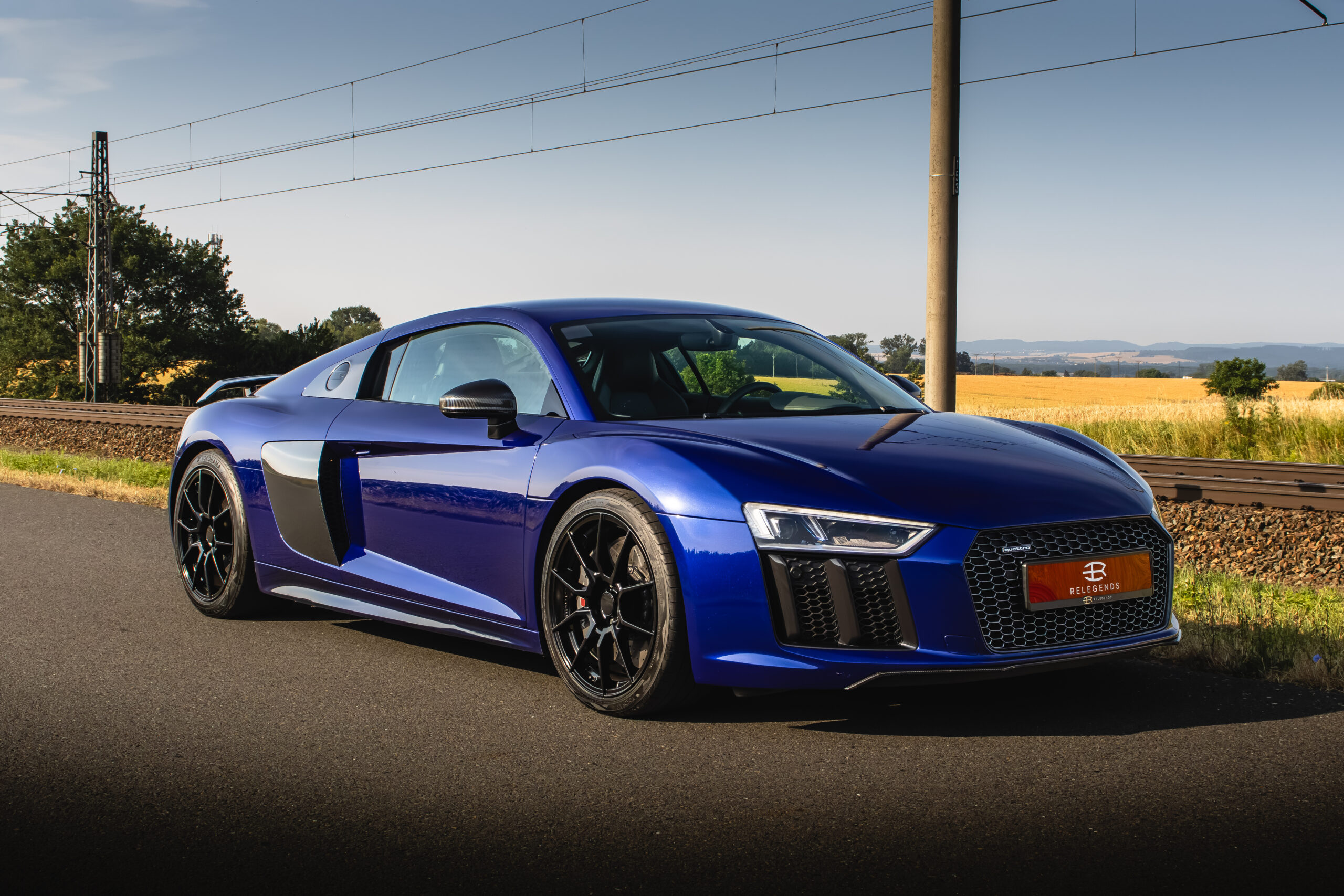
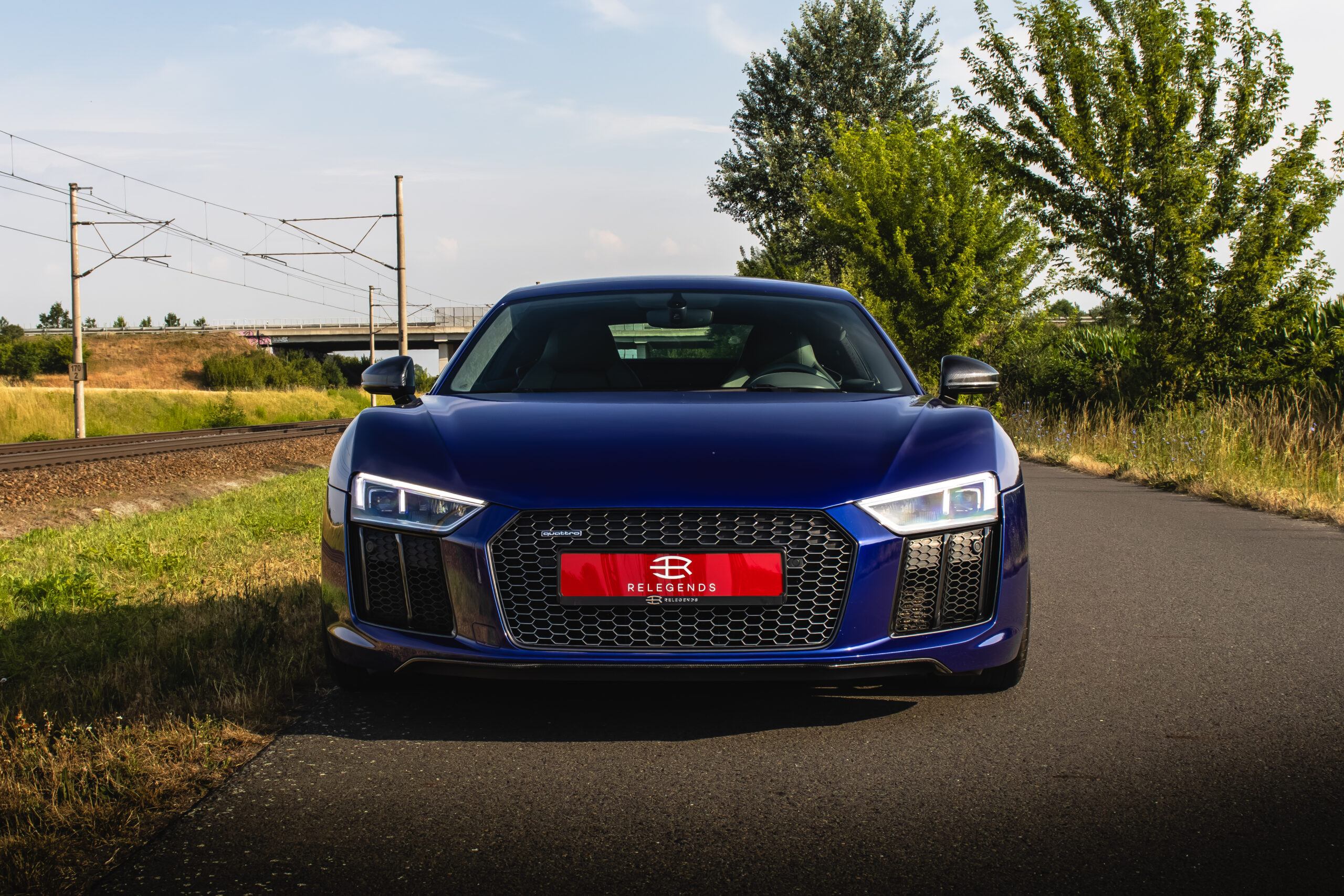
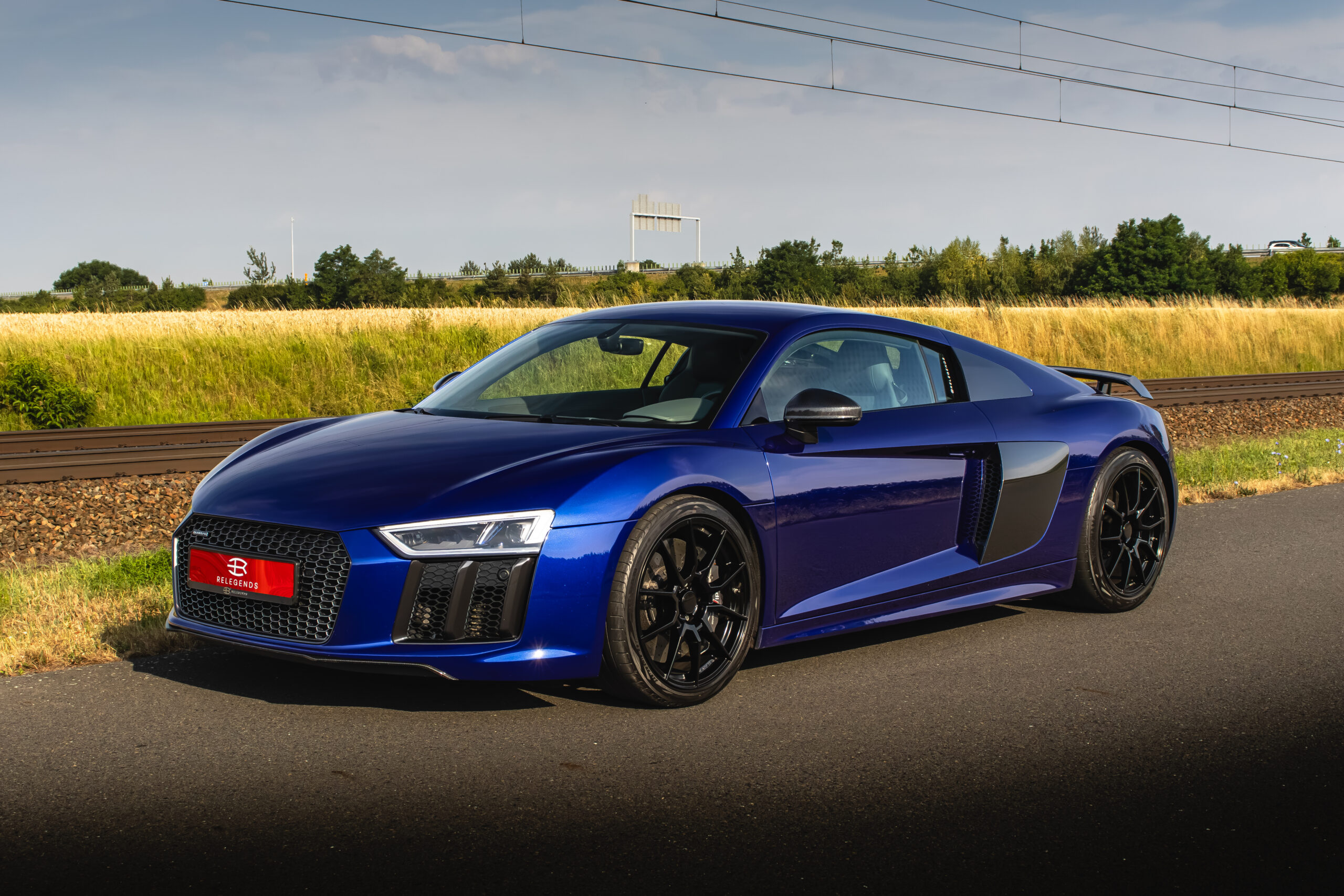
- VAT deductible
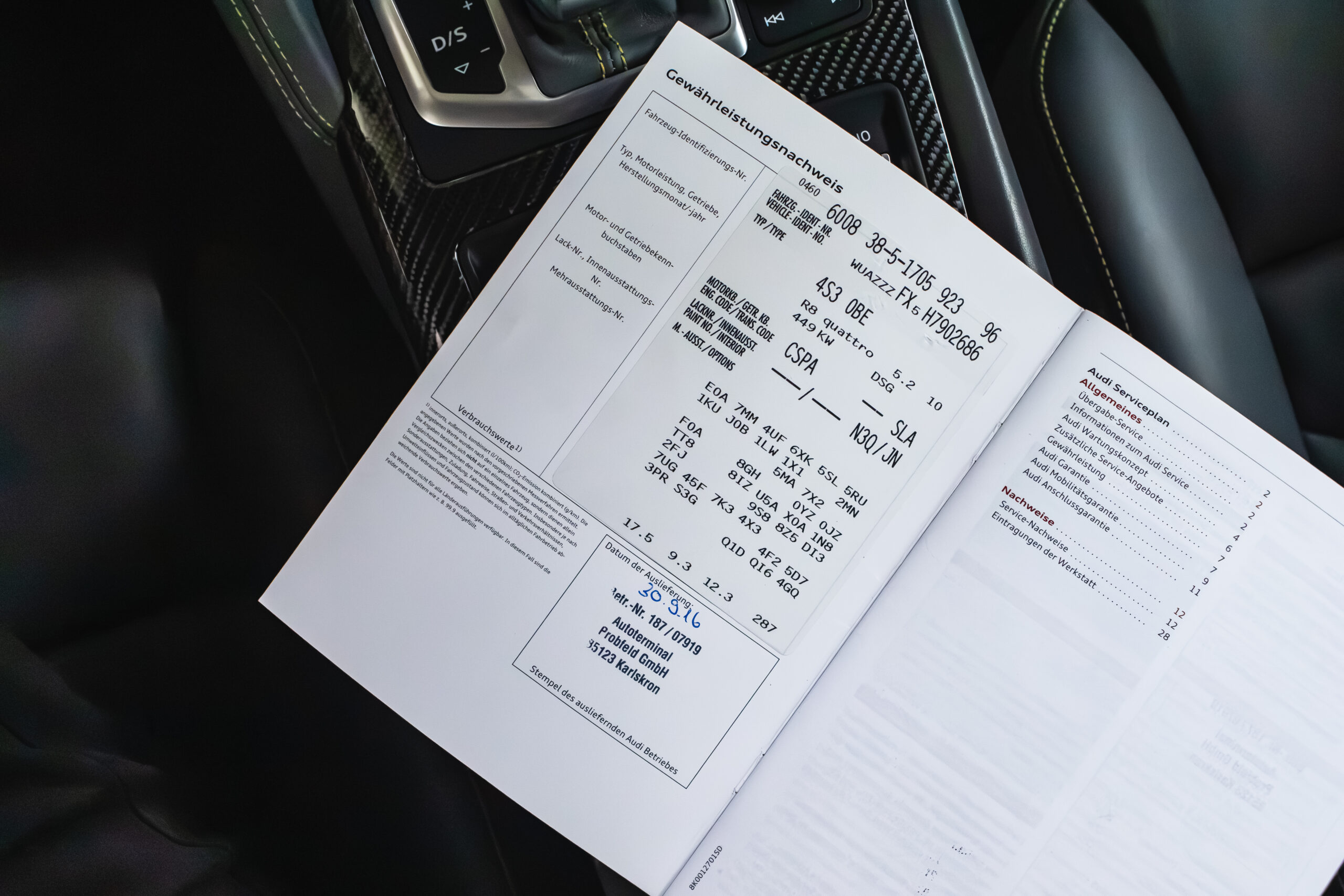
- European-specification car – originally supplied in Germany
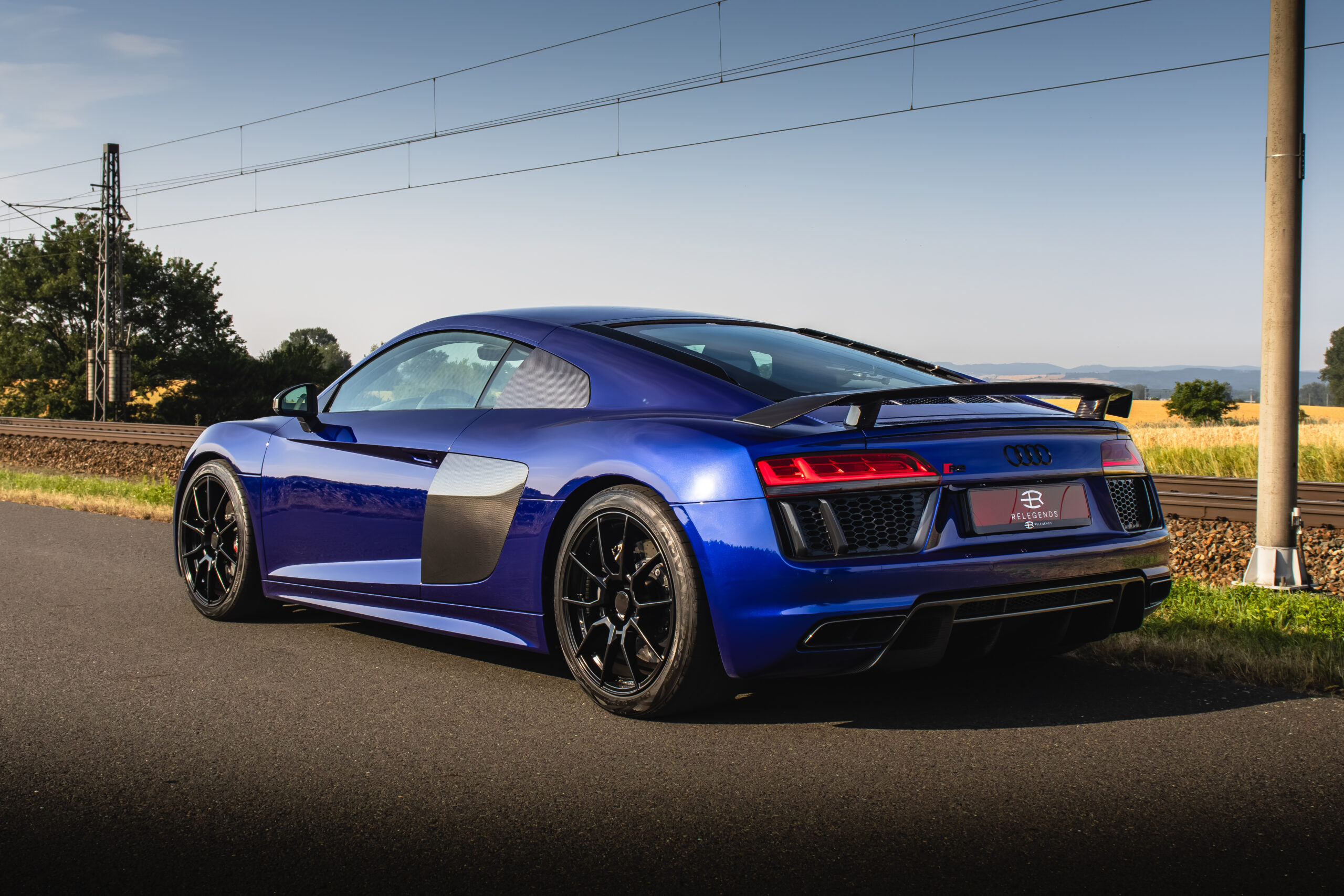
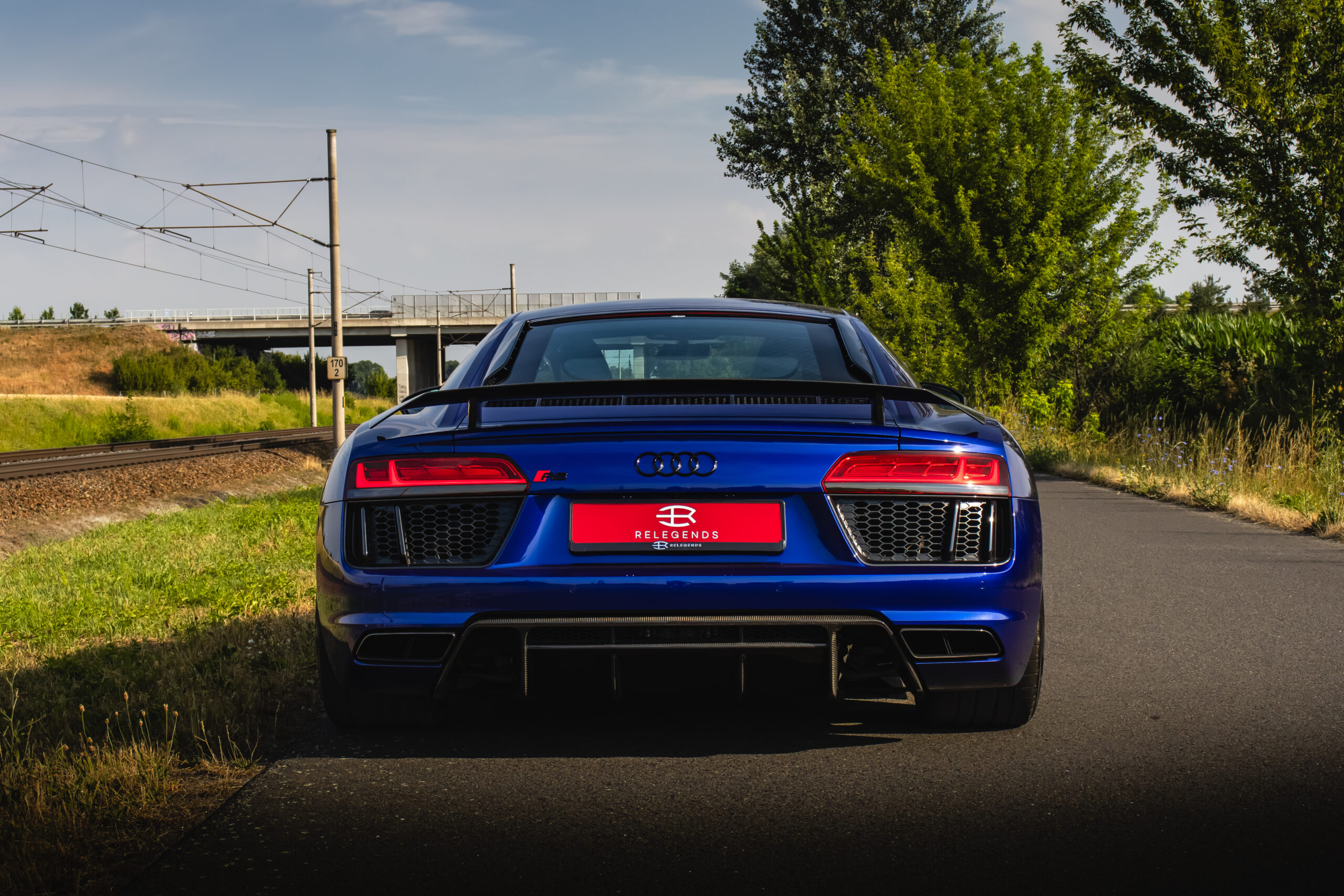
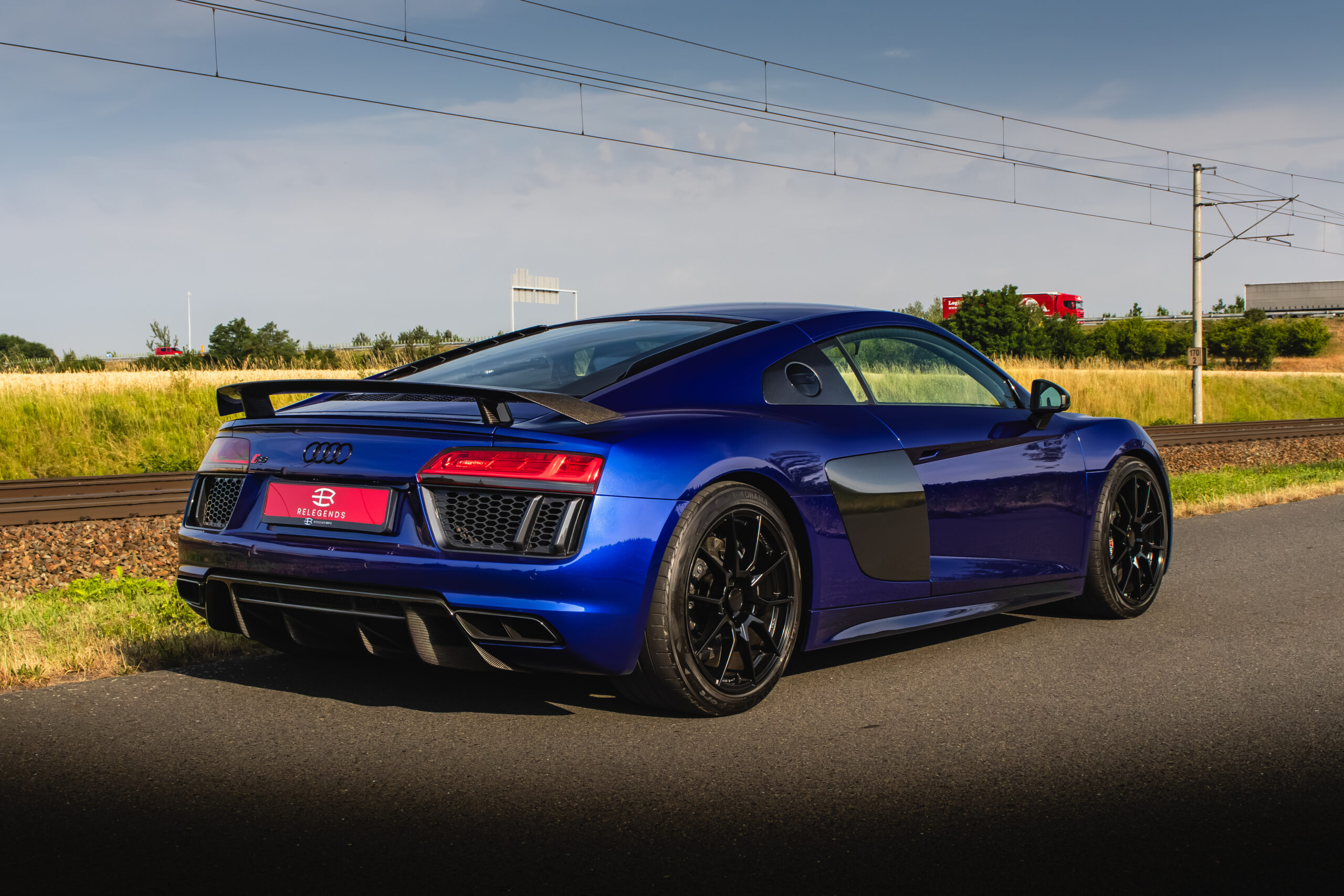
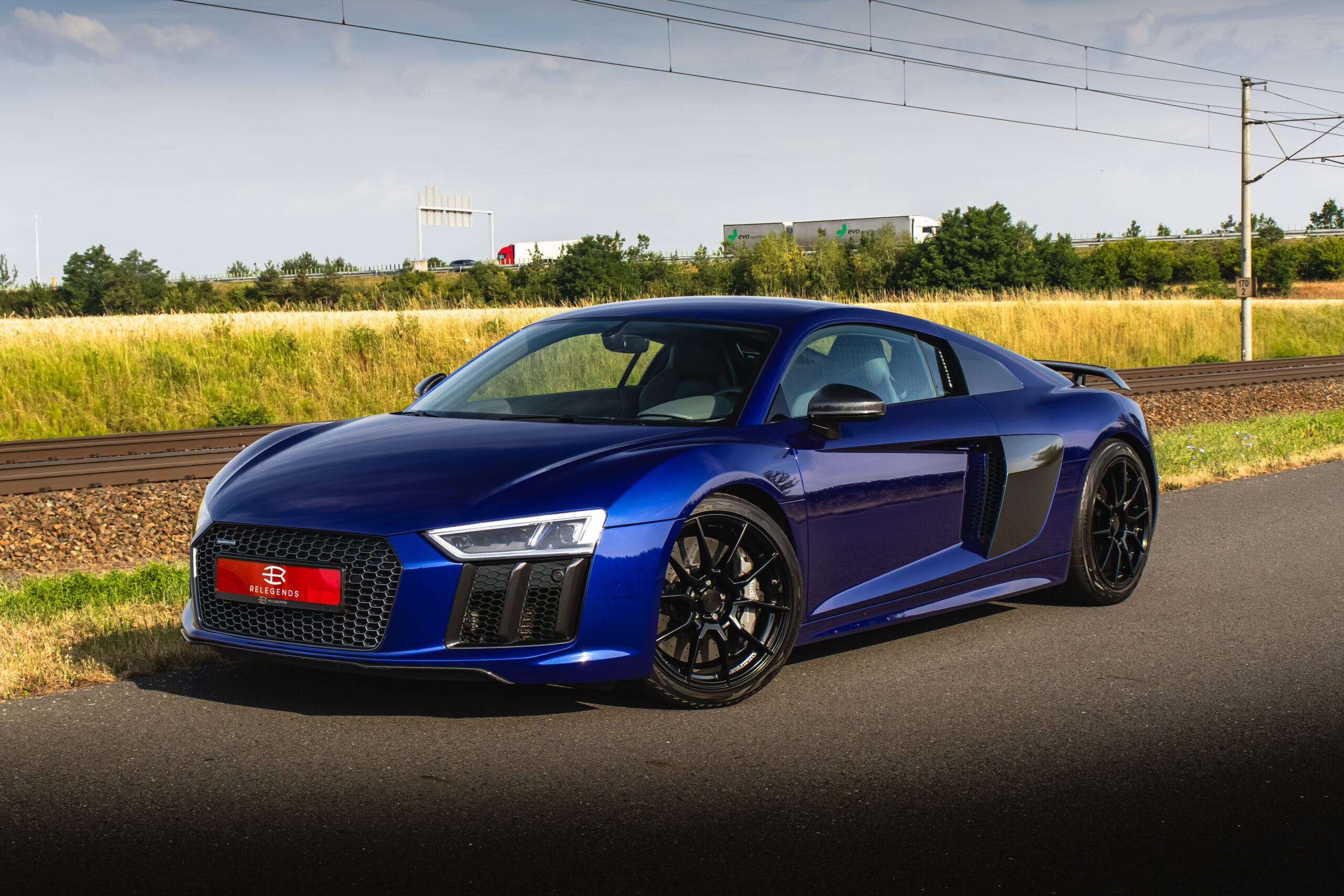
- Audi Exclusive specification
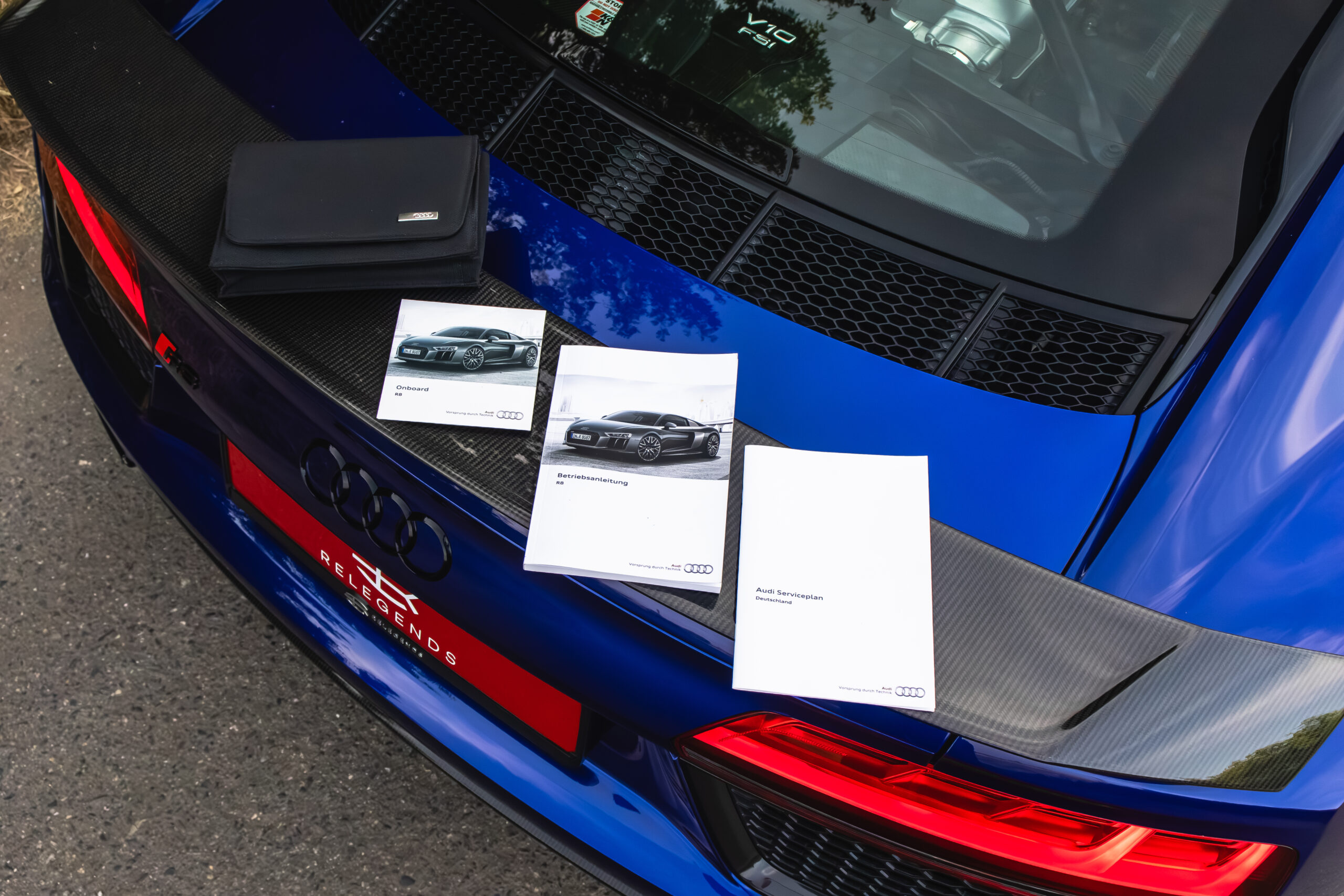
- Service history
- Front end protected with PPF
- Ceramic coating
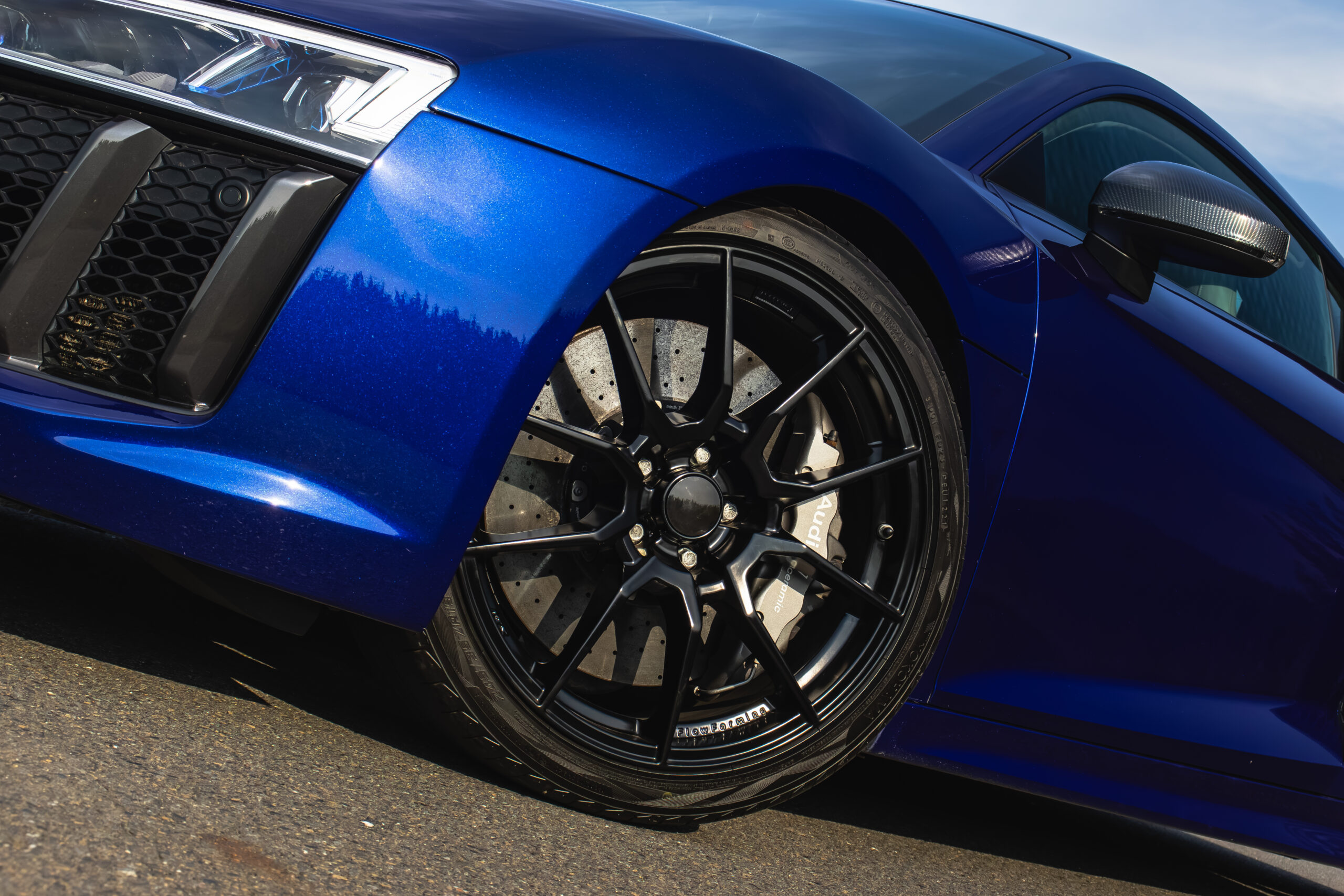
- Audi Exclusive paint – Santorini Blue
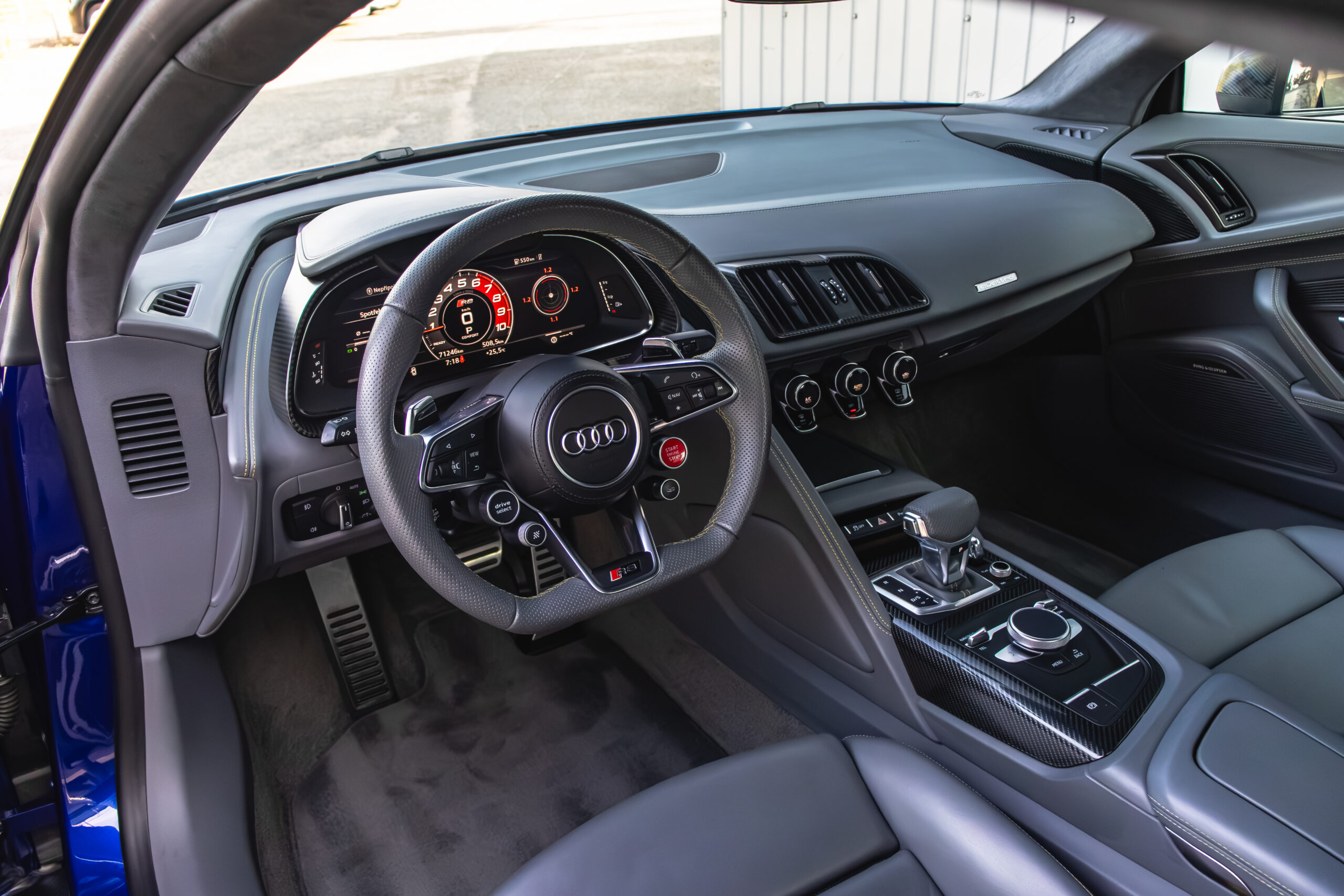
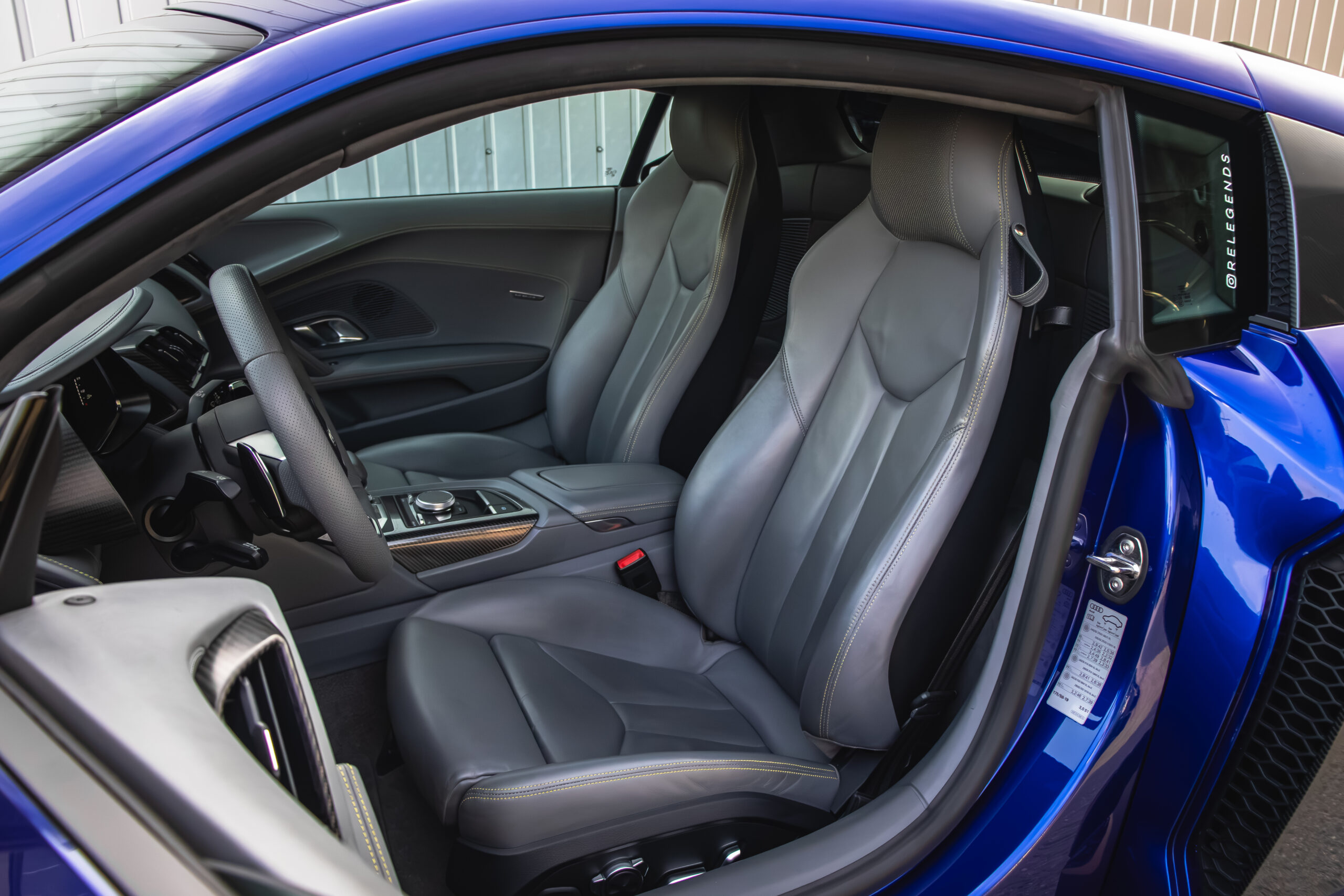
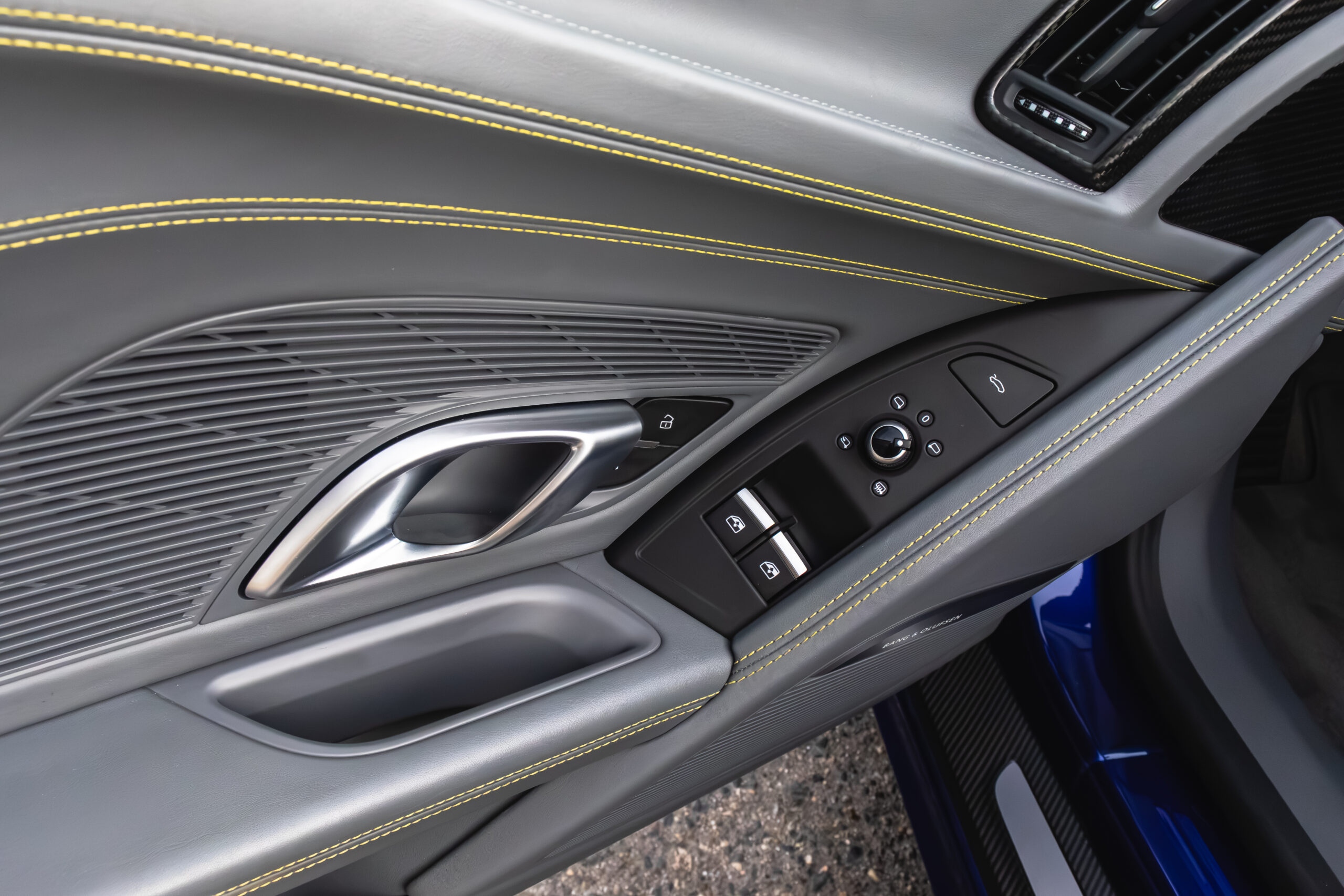
- Grey Nappa leather interior
- 20-inch 10-spoke Y-design alloy wheels
- Carbon-ceramic brakes
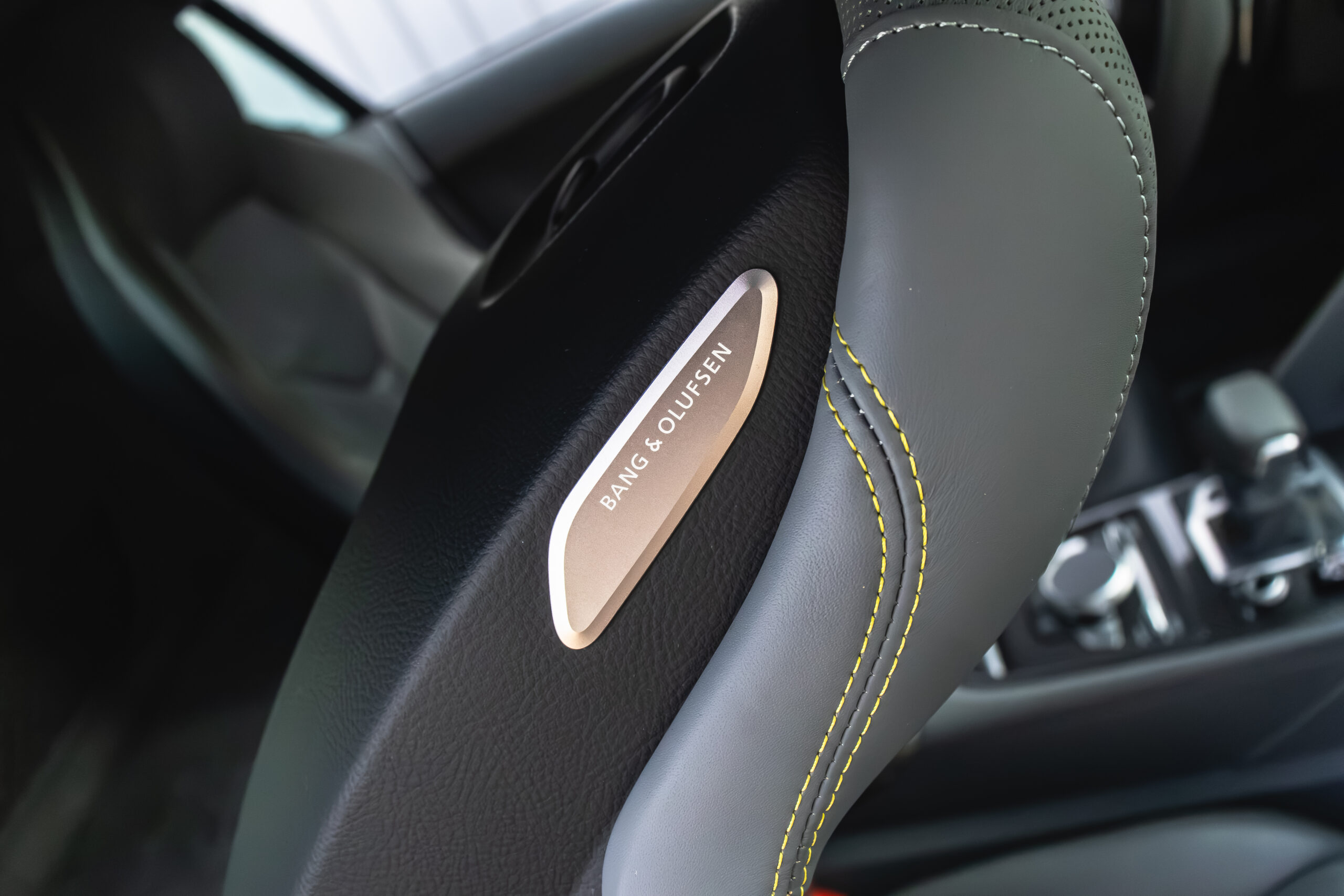
- Bang & Olufsen sound system
- Adaptive suspension
- Laser headlights
- Audi Exclusive yellow interior stitching
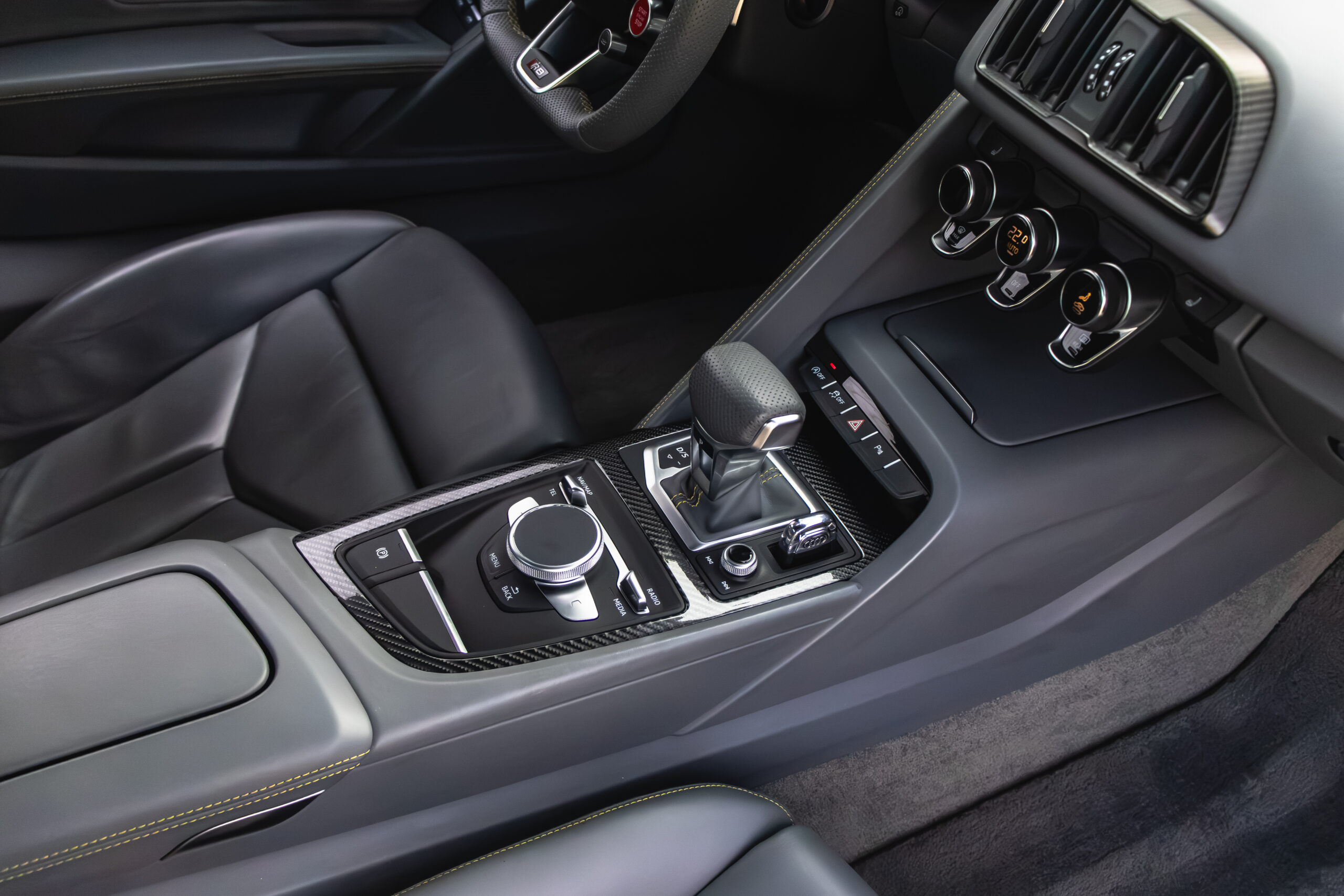
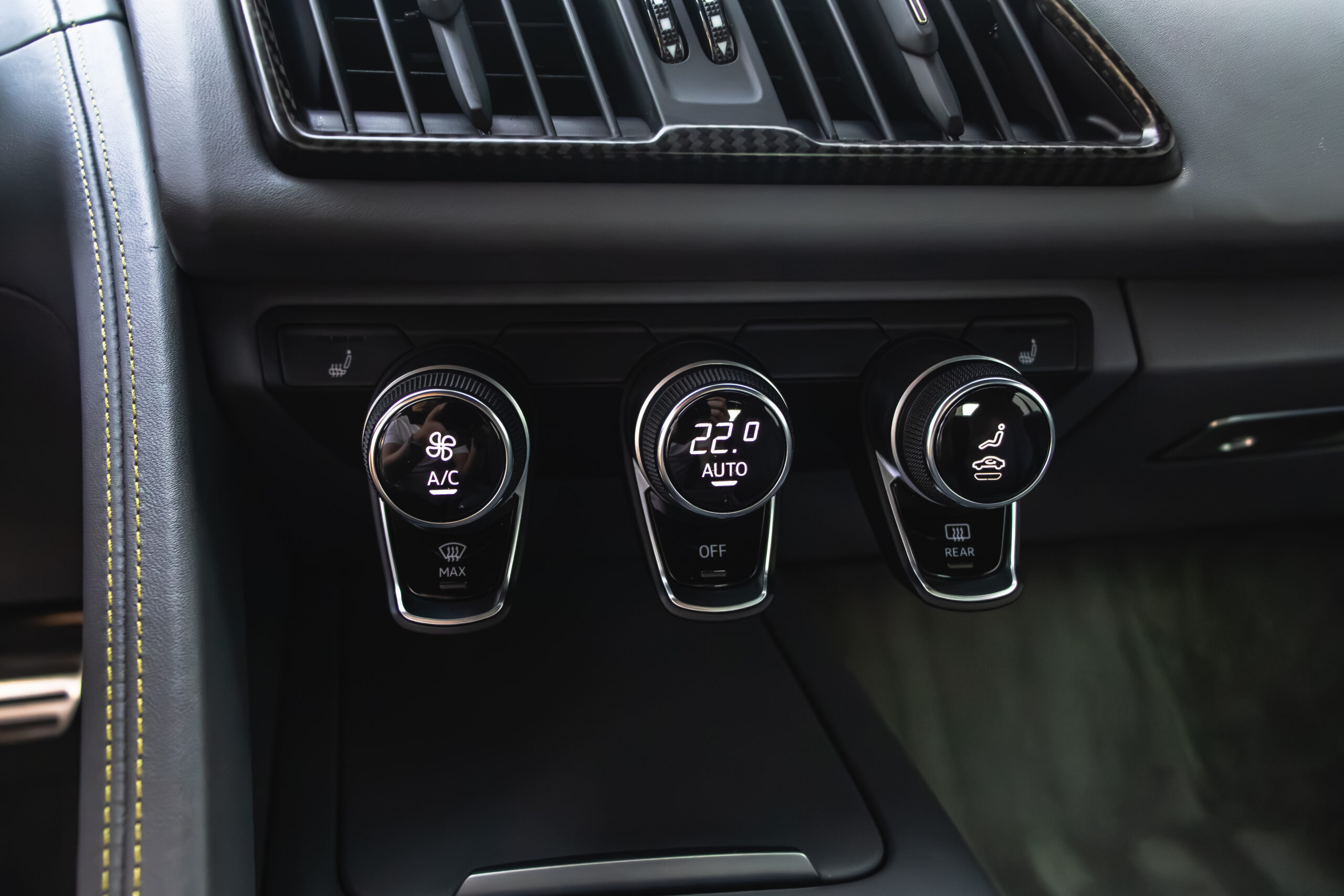
- Carbon interior package
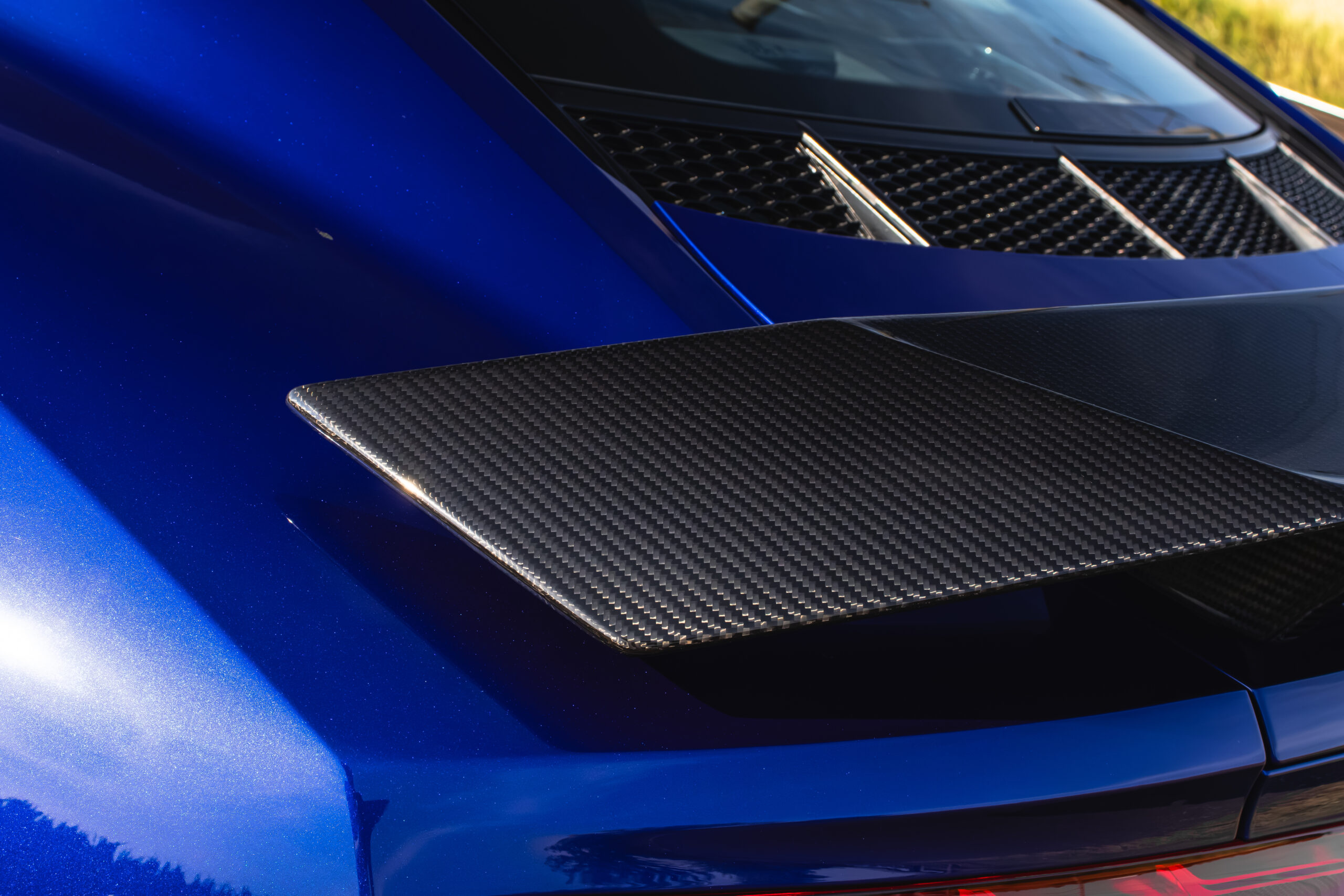
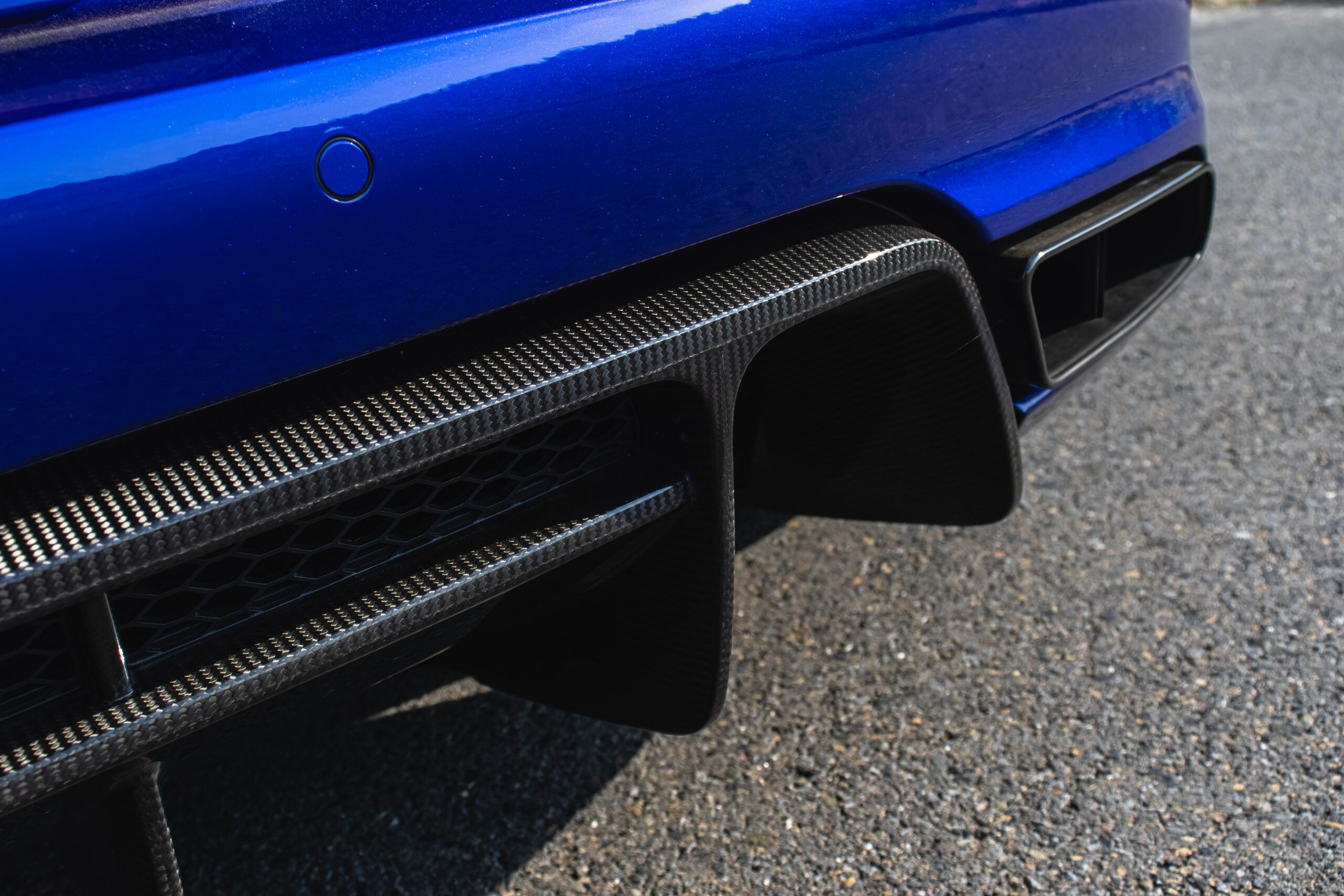
- Carbon exterior package
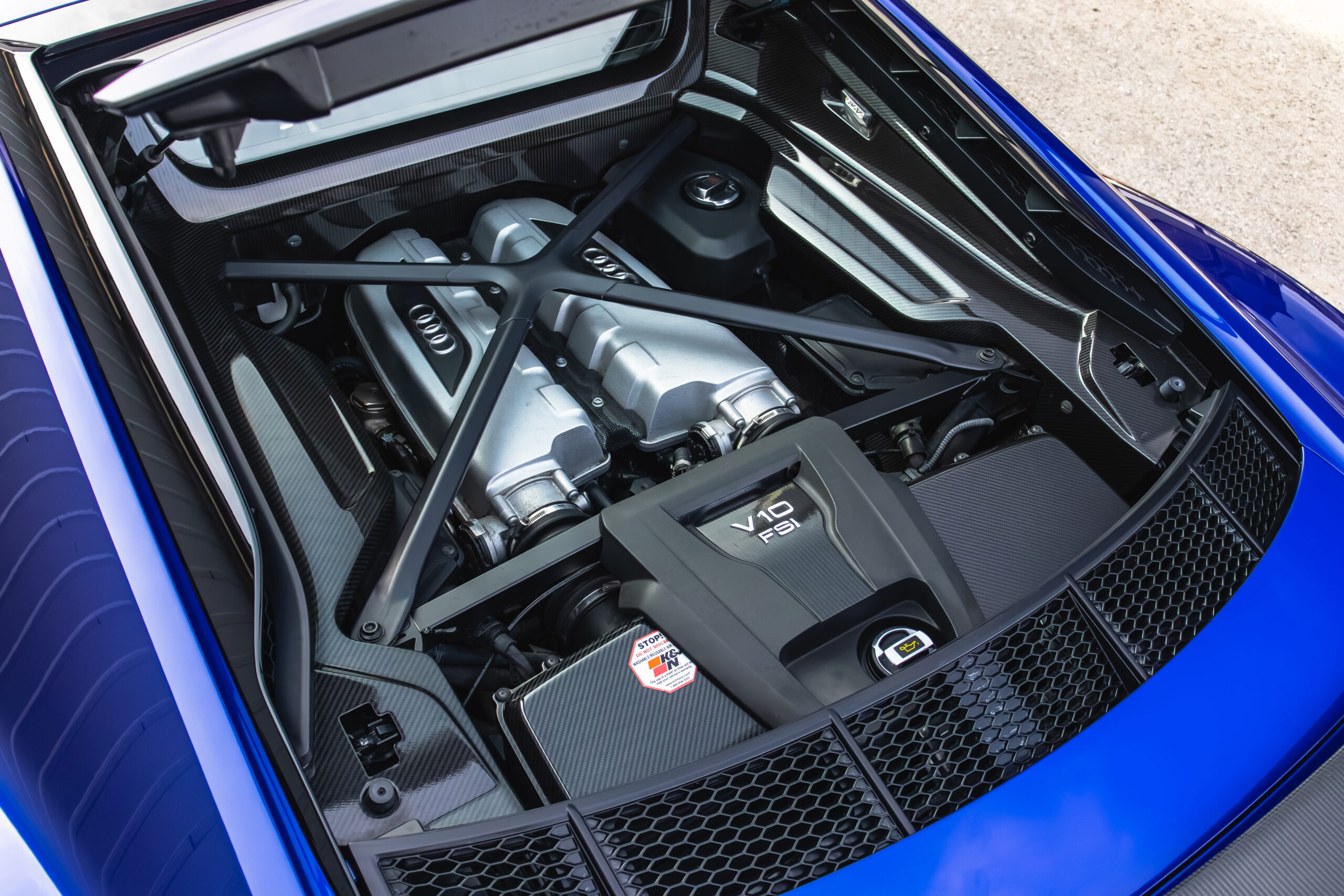
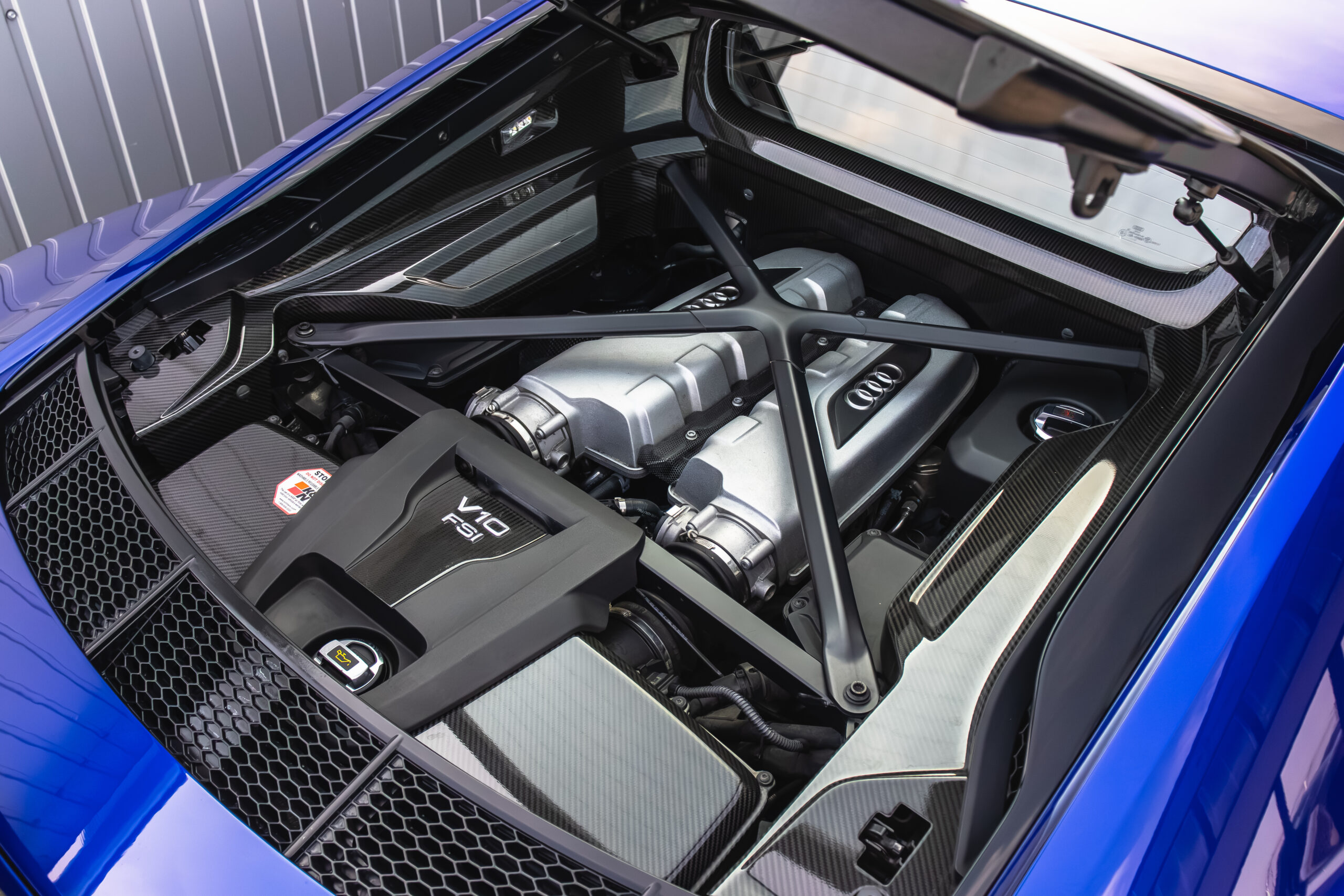
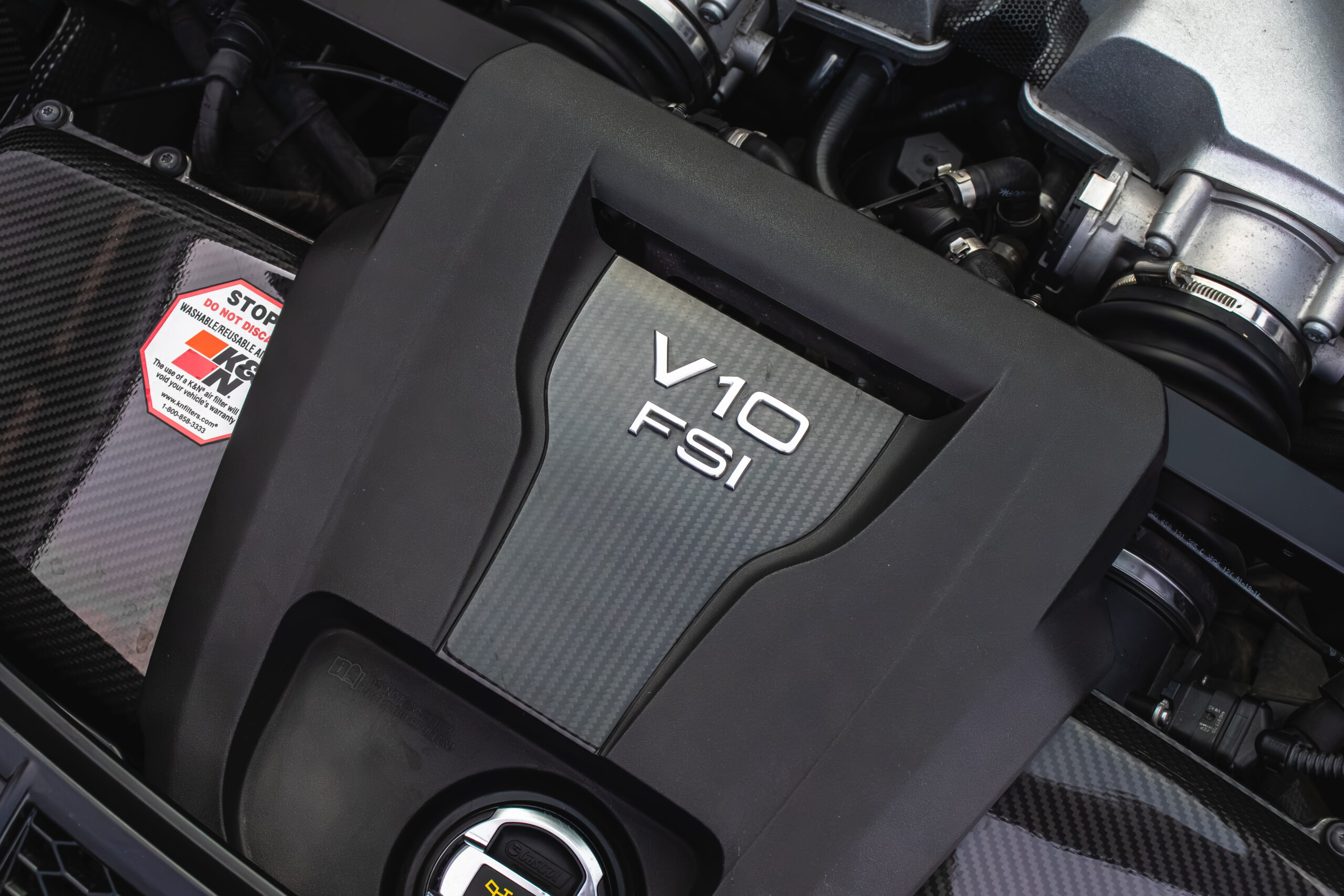
- Carbon engine compartment package
- Audi Exclusive side panels in yellow
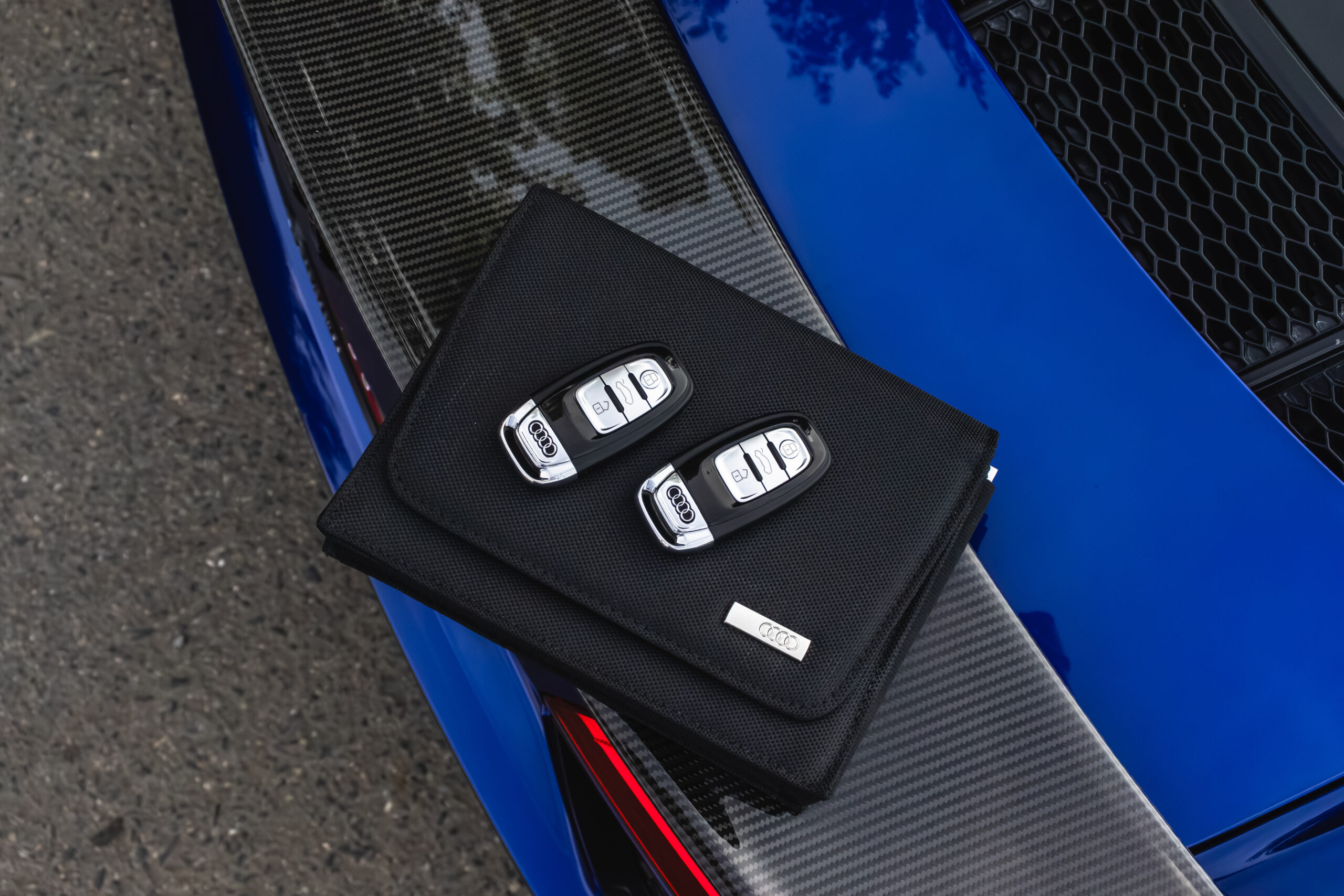
- Comfort key / keyless entry
- MMI Navigation Plus
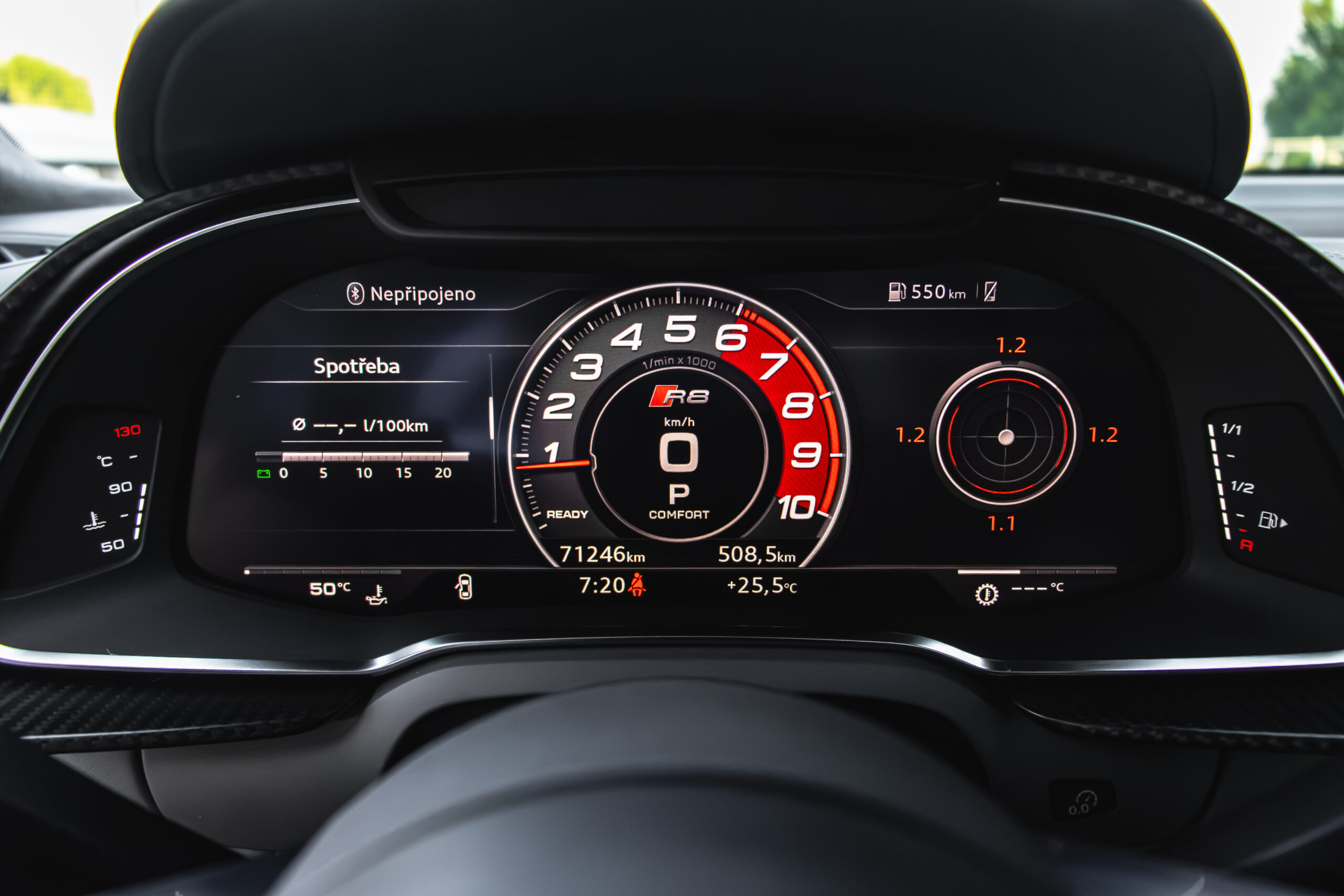
- Audi Virtual Cockpit
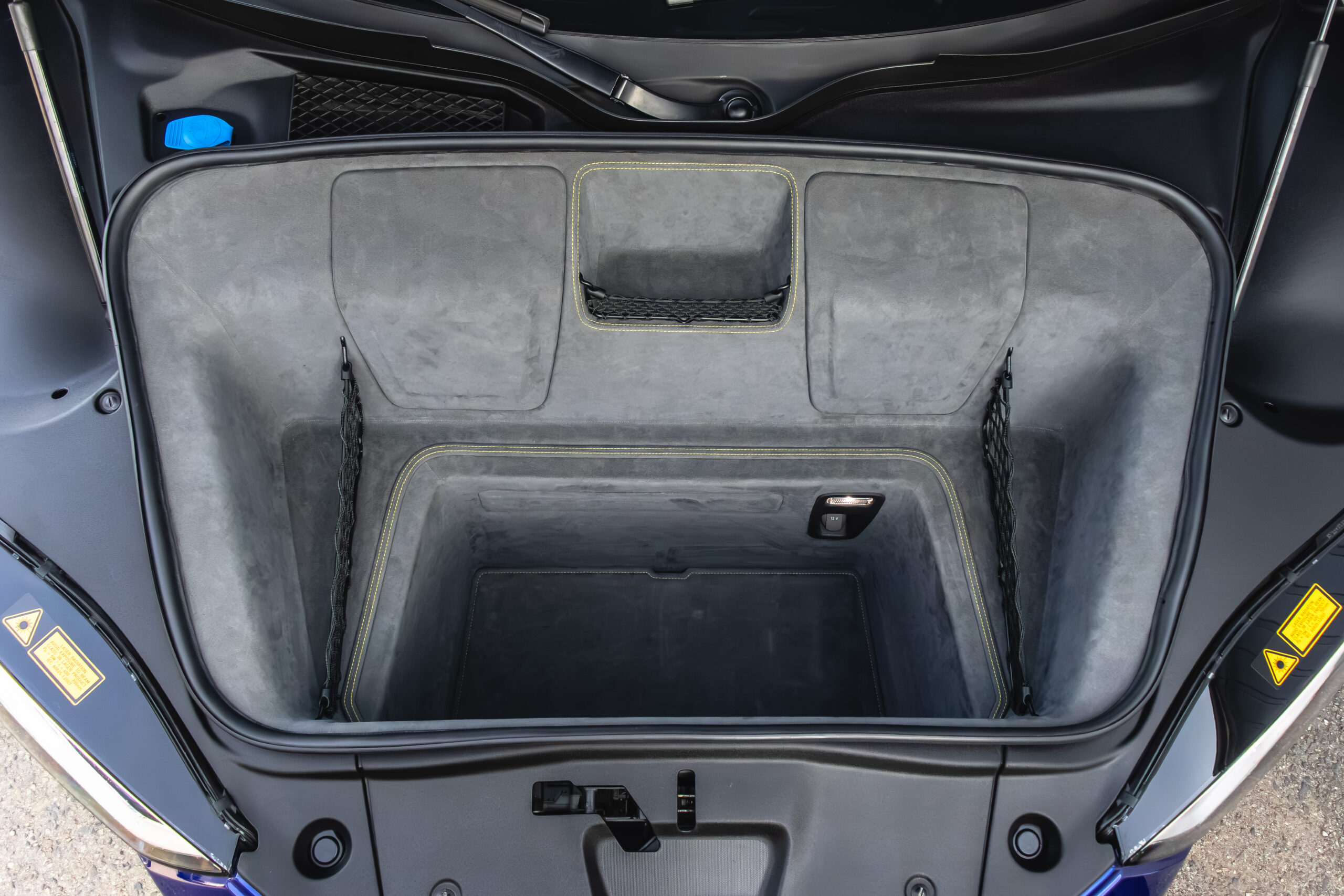
- Audi Exclusive luggage compartment trim
- Parking assist
- Reversing camera
- Heated seats
Fill in the form and we will get back to you as soon as possible.
The second-generation Audi R8 made its debut at the 2015 Geneva Motor Show, replacing the hugely successful original. While it retained the unmistakable proportions of its predecessor, underneath it was an entirely new car, developed alongside the second-generation Lamborghini Huracán.
The 2016 model year marked the first full year of production for this new generation. Built largely by hand at Audi’s Böllinger Höfe facility near Neckarsulm, the R8 sat at the very top of Audi’s performance range and served as one of the brand’s technological flagships.
Beneath the rear deck sits a naturally aspirated 5.2-litre FSI V10. In the standard R8 V10 it produces 540 PS at 7,800 rpm and 540 Nm at 6,500 rpm, while the V10 Plus raises output to 610 PS and 560 Nm. Power is sent to all four wheels through a seven-speed S tronic dual-clutch transmission and a quattro system using an electronically controlled multi-plate clutch at the front axle.
The standard R8 V10 accelerates from 0–100 km/h in 3.5 seconds, while the V10 Plus cuts that figure to just 3.2 seconds. Top speed is 323 km/h for the standard car and 330 km/h for the Plus.
More important than the figures, however, is the character of the engine. With no turbochargers involved, throttle response is immediate, power delivery is wonderfully linear and the V10 delivers an unmistakable soundtrack as it charges towards 8,700 rpm.
The second-generation R8 is built around a completely redesigned Audi Space Frame combining aluminium with carbon-fibre-reinforced composites. The structure is both lighter and significantly stiffer than that of its predecessor.
Double-wishbone suspension is used at both axles, with Audi Magnetic Ride adaptive dampers and carbon-ceramic brakes available depending on specification. Combined with quattro all-wheel drive and carefully balanced weight distribution, the result is exceptional stability at very high speeds without sacrificing the everyday usability for which the R8 has always been known.
Styling evolved rather than reinvented the original R8. A wider Singleframe grille, sharper bodywork, the distinctive sideblade treatment and Audi laser headlights gave the second generation a more technical and aggressive appearance. Yet the proportions remained unmistakably R8.
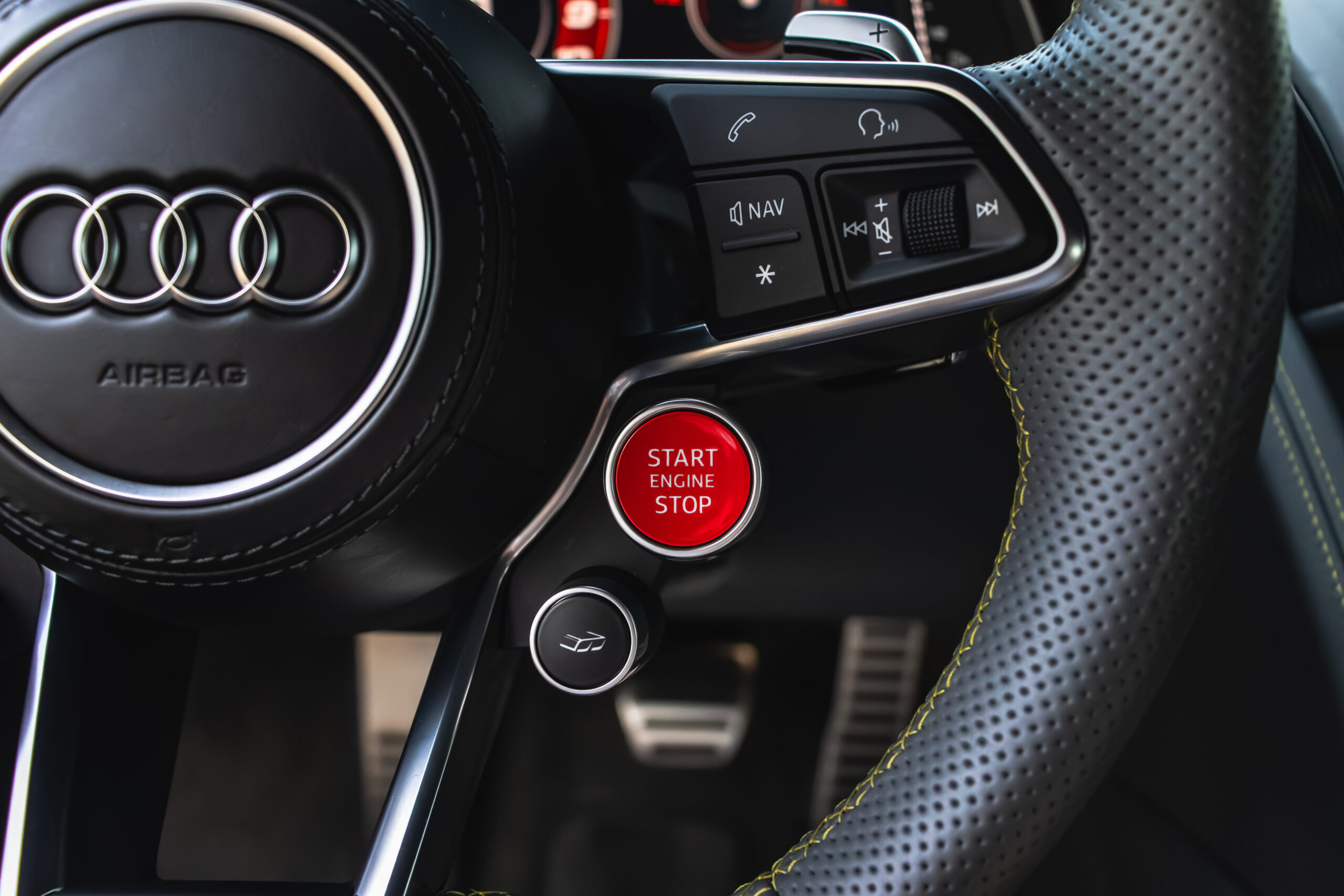
Inside, one of the biggest changes was technological. The R8 introduced Audi Virtual Cockpit, with a 12.3-inch digital instrument display replacing both conventional analogue dials and the traditional centre display. Most of the major controls are focused around the driver, with functions including Drive Select and the engine start button positioned directly on the steering wheel – a layout inspired by racing cars.
Audi has not published an exact production figure specifically for the 2016 model year, but the second-generation R8 was built in considerably smaller numbers than many mainstream performance cars. Its naturally aspirated V10, specialist production process and close technical relationship with the Lamborghini Huracán have helped it establish itself as a modern classic.
The 2016 Audi R8 represents something increasingly rare: a European supercar powered by a high-revving, naturally aspirated V10, with no turbocharging and no electrification.
It combines everyday usability, Audi build quality and modern technology with the drama and character expected of a genuine supercar. The combination of its V10 engine, quattro all-wheel drive and finely judged chassis makes the R8 V10 Plus one of the defining performance cars of its generation – and a worthy successor to the original R8.